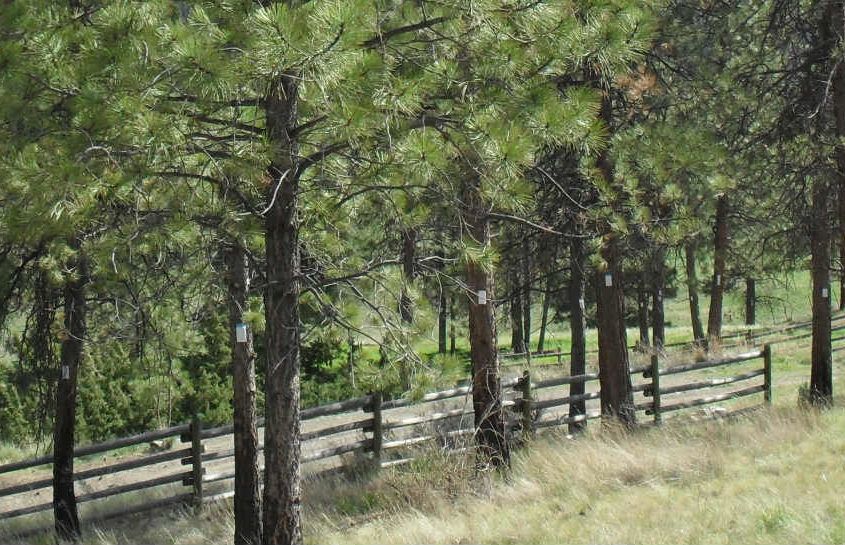
Important: A Red Tree is Not an Early Warning
Waiting for a tree to turn red can eliminate opportunities to stop beetles from emerging and moving to nearby trees. Residents should inspect green trees for pitch, boring dust, woodpecker activity and other early signs rather than relying only on crown color.
A green tree can already be successfully infested. A red tree often represents an attack from the previous season.
What to Do if You Suspect Beetle Activity
Understand the Current Situation
Rainbow Hill and the surrounding Front Range are experiencing a rapidly expanding mountain pine beetle outbreak. Mountain pine beetle activity in Jefferson County has increased steadily since 2023, and beetle-affected acreage across nine Front Range counties grew by approximately 148% between 2024 and 2025. At this stage, no individual homeowner, neighborhood or single treatment project can stop the broader regional outbreak.
Our focus must therefore shift from attempting to protect every pine tree to identifying and protecting the healthy trees that are most important to each property and to the community. These may include trees that provide privacy or shade, support slope stability, contribute to defensible space, screen a home or hold particular personal value.
Removing and properly treating currently infested trees is still important. It can reduce the number of beetles emerging from an individual property and may help lessen immediate pressure on nearby healthy trees. However, removal alone will not halt an outbreak occurring across thousands of acres.
Recommended Actions
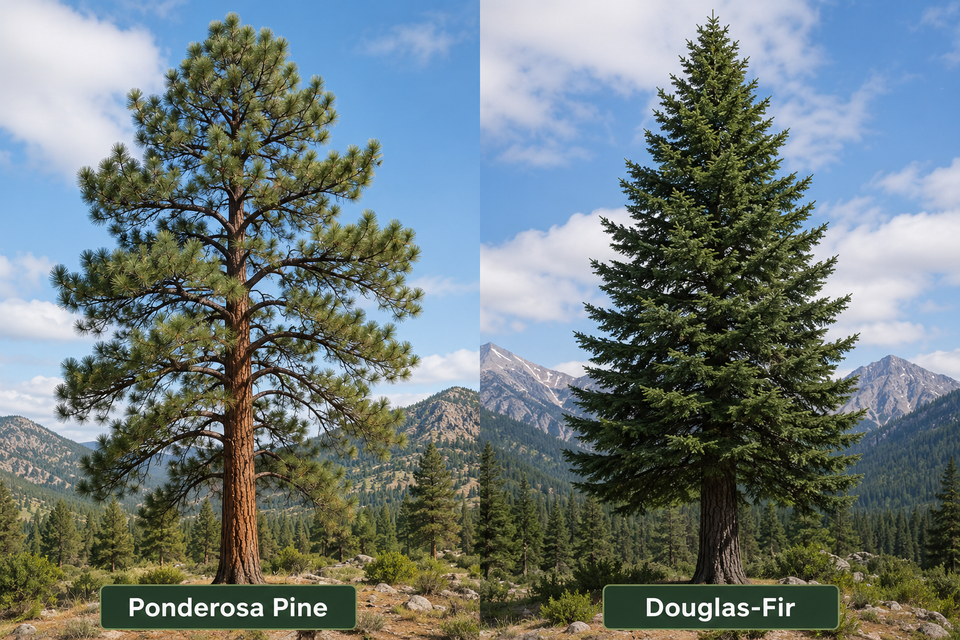
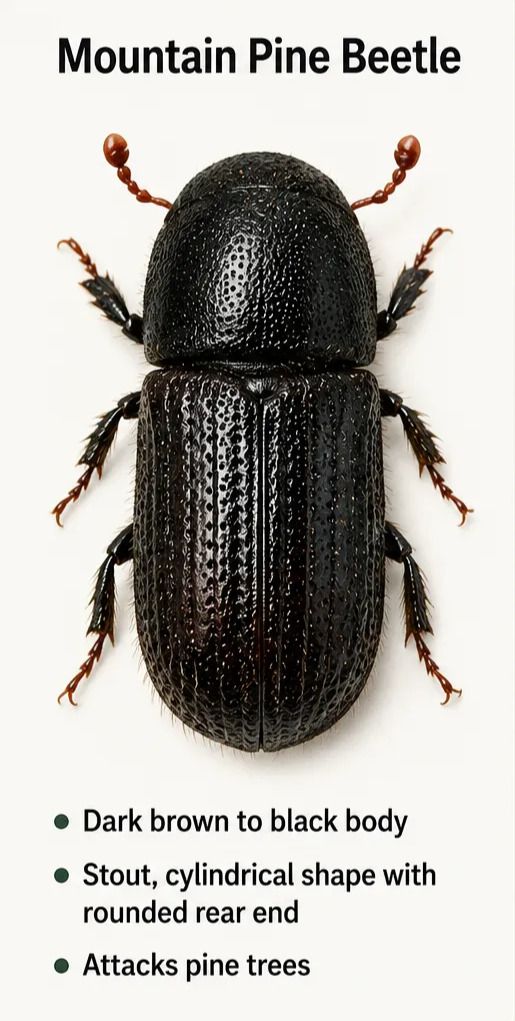
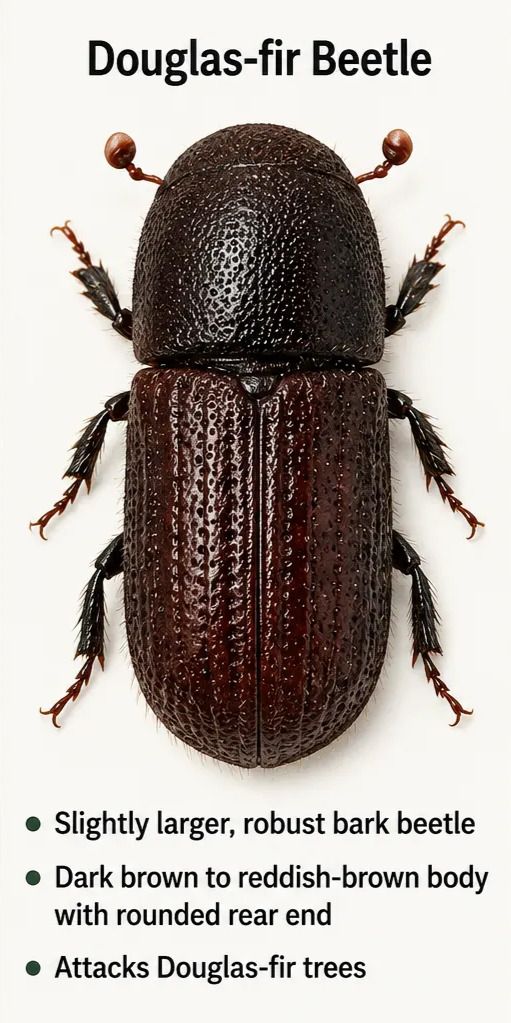
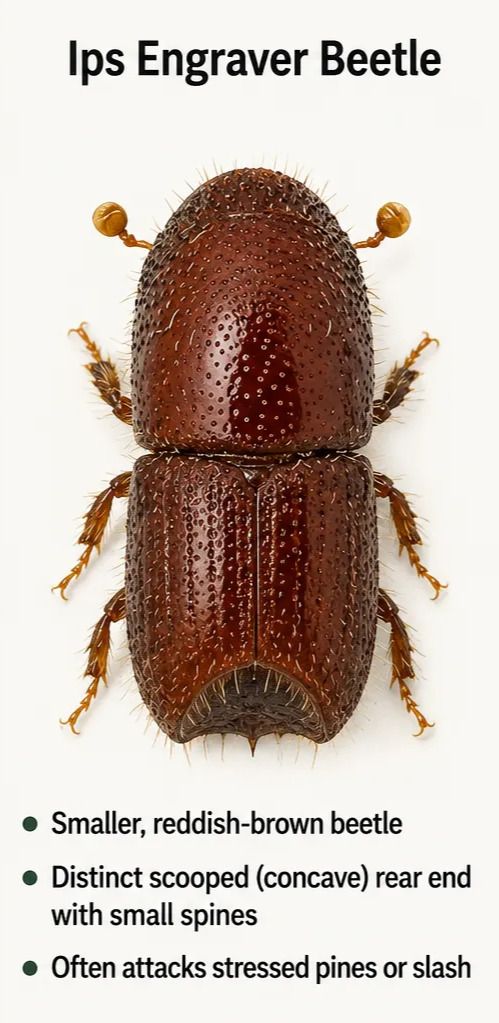
- Identify the tree species. Determine whether the affected tree is a pine, Douglas-fir, spruce or another conifer. Different beetles attack different trees and require different management strategies.
- Inspect green trees, not only red ones. Look for pitch tubes, boring dust, woodpecker damage, resin, bark loss and small exit holes. A green tree may already be successfully infested, while a red tree often represents an attack from the previous season.
- Select the trees you most want to protect. Prioritize a manageable number of healthy, high-value trees rather than attempting to treat an entire forested property.
- Consult a qualified forestry professional. Ask a forester, certified arborist or experienced forestry contractor to confirm the pest, evaluate whether the tree is already infested and recommend an appropriate treatment plan.
- Treat healthy priority trees before beetle flight. Preventive bark sprays remain the most reliable chemical option for protecting individual, unattacked trees when applied correctly before adult beetles begin flying. The Colorado State Forest Service recommends these treatments for selected high-value trees, not for entire properties or forested landscapes.
- Remove or properly treat actively infested trees. Infested material should be chipped, debarked, treated, burned where legally permitted or transported to an approved location before beetles emerge.
- Do not move untreated wood. Transporting infested logs or firewood can carry beetles into new areas.
- Coordinate with neighbors. Treatment decisions made across adjacent properties can protect priority trees more effectively and support a healthier, more resilient forest over time.
The realistic goal is not to stop the regional outbreak. It is to protect the trees that matter most, reduce avoidable losses, manage hazardous trees and help Rainbow Hill’s forest recover in a healthier and more resilient condition.